What Makes a Sign ADA‑Compliant? A Guide for Interior Spaces
Curated Content, Digest, Metro Sign & Awning, Newsletters, Original Posts ADA Braille,ADA Compliance,ADA compliant signs,ADA Signage,interior signs,Wayfinding signageDid you know that Inaccessible signage doesn’t just frustrate visitors, but it can also result in fines up to $75,000 for a first offense, and $150,000 for repeat violations, according to Accessibility Checker?
Interior signage sets the tone for your entire space—helping people feel welcomed, informed, and included from the moment they walk in.
That’s why at Metro Sign & Awning, we don’t treat ADA compliance as a checklist. We combine code expertise, intentional design, and expert fabrication to create signage that’s not only compliant but also durable, functional, and fully aligned with your brand.
In this guide, we’ll break down what makes a sign ADA-compliant, explain where compliance is required, and share how Metro helps businesses stay ahead, with signage that works, lasts, and looks exceptional doing it.
ADA Signage 101: What Are the Requirements of a Compliant Signage?
ADA signage refers to signs that meet the standards set by the Americans with Disabilities Act, helping all individuals—regardless of ability—navigate your space independently, safely, and confidently.
What qualifies as an ADA-compliant sign?
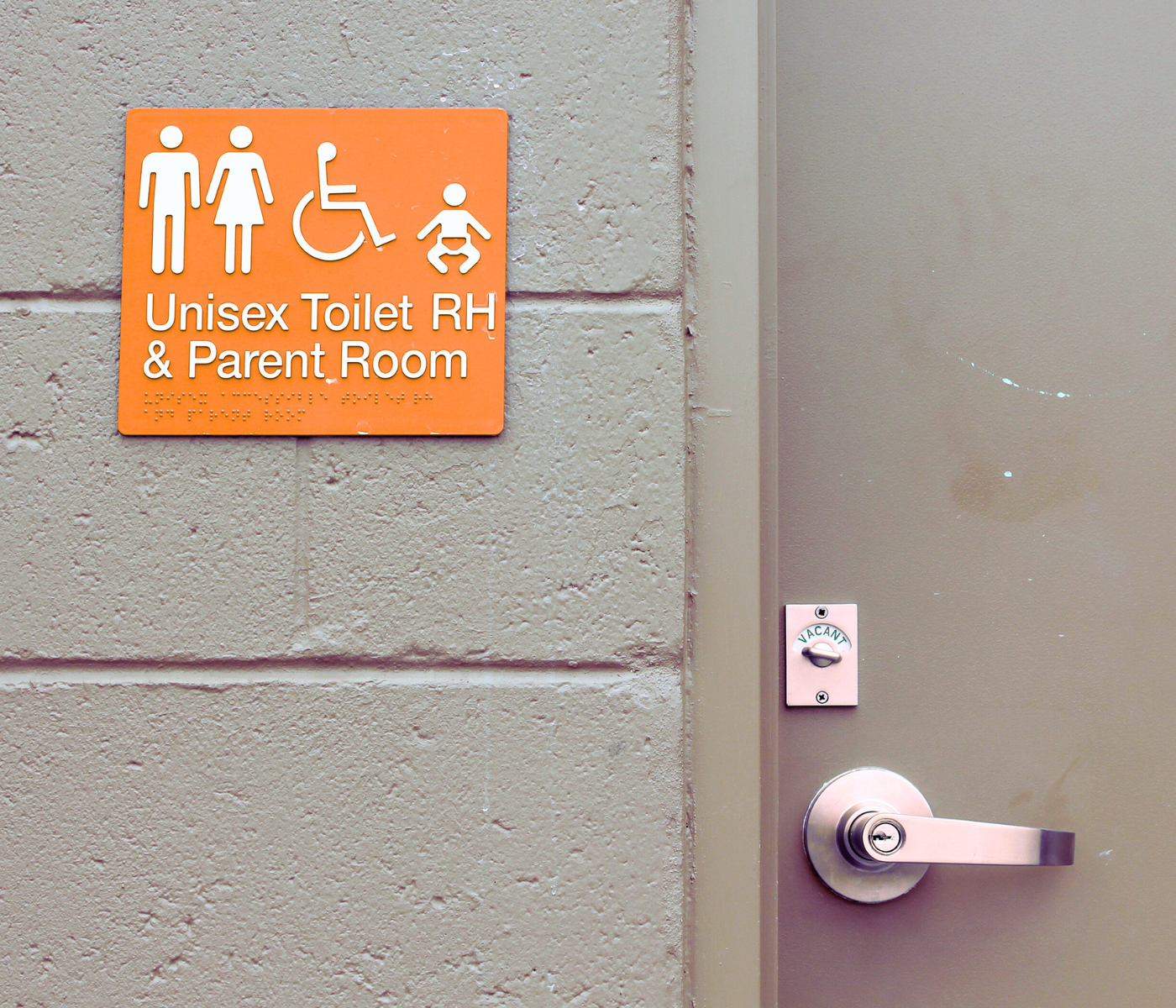
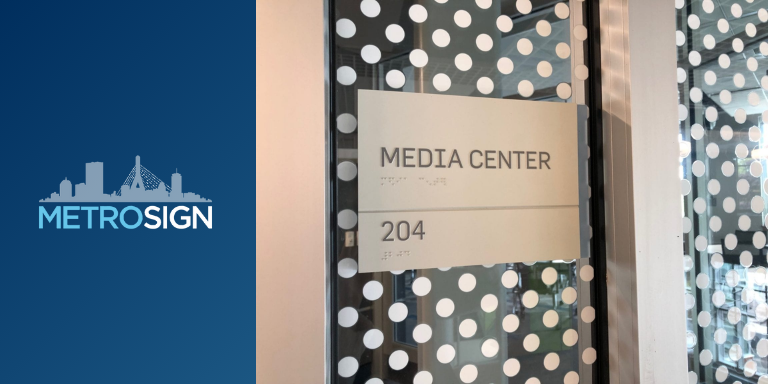
Any interior signage that identifies permanent rooms, functional spaces, exits, restrooms, or stairwells must meet ADA requirements. That includes tactile lettering, Grade 2 Braille, high visual contrast, and specific mounting heights. These elements are essential for legibility, readability, and accessibility.
But here’s where many businesses trip up: Not all signs need to comply.
Marketing posters, menus, directories, and temporary signs (posted for fewer than 7 days) are exempt. Yet, countless brands end up overcomplicating or under-delivering—either spending more than they should or risking failed inspections.
Pro Tip: At Metro, ADA compliance isn’t just about checking boxes. We combine deep expertise with thoughtful design to create an unforgettable experience for every visitor.
Making Your Space Accessible: ADA Braille Signage Requirements
According to the CDC, about 12 million Americans over 40 live with some form of visual impairment. That’s why meeting these guidelines isn’t just a requirement—it’s a signal that your business values accessibility, inclusion, and every visitor’s experience.
ADA Braille signage is required for any permanent room or space identification, such as restrooms, conference rooms, stairwells, and exit doors. However, not all signs fall under this rule. Similar to the above section, menus, directories, building addresses, logos, and temporary signage are exempt from this requirement for inclusivity.
So, what makes a Braille sign ADA-compliant?
Here’s what the code demands:
- Tactile lettering raised at least 1/32″ (0.8mm), in a sans-serif font, in all caps, no italics, scripts, or decorative styles.
- Braille placement: Must be Grade 2 Braille, located directly beneath the corresponding text.
- Character height: Between ⅝″ and 2″, based on viewing distance.
- Mounting height: Between 48″–60″ from the finished floor to the baseline of the lowest tactile character.
- Finish and contrast: Signs must use non-glare coatings (like matte or eggshell) and maintain high contrast (ideally 70%) between text and background for maximum legibility.
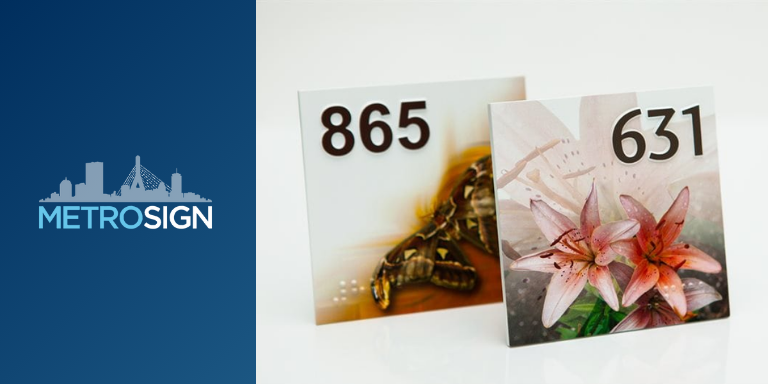
Pro Tip: At Metro, we go beyond compliance. We help you choose materials, contrast levels, and finishes that match your interior aesthetic—so your Braille signs feel like part of your space, not an afterthought. Every element is crafted with intention—designed to be seen, touched, and trusted.
Why ADA Compliance Must Go Beyond Legalities
When your interior signs are accessible, you send a clear message: everyone is welcome here. That message builds trust. It shows visitors, clients, and employees that your business isn’t just meeting requirements—it’s leading with intention.
Design for Inclusion. Deliver a Better Experience
Accessible signage improves how people navigate your space. It reduces confusion, increases comfort, and enhances the overall experience, especially for people with visual impairments, aging populations, and those with cognitive or physical challenges. And better experiences lead to higher satisfaction, longer visits, and repeat engagement.
According to a Forrester study, inclusive design boosts customer loyalty and expands your market reach. Meanwhile, a Click-Away Pound survey found that 69% of people with disabilities will abandon a business that isn’t accessible, and they don’t come back.
The Metro Process: From Code to Completion
From first survey to final inspection, we manage every step of your ADA signage project with precision, speed, and zero guesswork.
We don’t separate design from compliance. We treat both as essential. From typography and contrast to Braille placement and mounting height, every element of your sign works hard to meet ADA requirements, elevate your brand, and create a welcoming experience for all.
Because the best signs don’t just inform—they include.
Here’s how we deliver
- Site Survey and Compliance Audit
We begin on the ground, measuring, documenting, and identifying which areas require ADA-compliant signage. - ADA-Centric Design
Our design team seamlessly integrates brand identity with federal regulations. We use clean, legible typography, compliant tactile lettering, and high-contrast color combinations—all while honoring your space’s aesthetic. - Expert Fabrication
Each sign is built using durable, high-performance materials that hold up in high-traffic environments. We use precise equipment to ensure tactile characters, Braille placement, and non-glare finishes meet every ADA regulation. - Precision Installation
Our install team mounts each sign at the correct height, spacing, and location, guaranteeing accessibility and legal compliance. We handle the details so you can avoid inspection failures, rework, and delays. - Final Walkthrough & Inspection
Before we hand off, we conduct a final check to ensure accuracy, consistency, and flawless execution.
Built Right. Branded Well.
Compliance is our baseline. But we go further, aligning every sign with your brand’s identity so your ADA signage doesn’t just pass code—it tells your story. Whether we’re coordinating with architects, general contractors, or facilities managers, we keep communication tight and timelines on track.
Make Your Signage ADA-Compliant the Right Way
ADA-compliant signage is about creating a space that is thoughtful, inclusive, and on-brand. When you combine regulatory precision with expert craftsmanship, you make your customers feel seen, respected, and welcomed.
Ready to bring your interior signage up to code—and up to standard?
Request a free consultation or site audit today. Let’s create signage that works smarter, looks sharper, and speaks louder.