ARCHIVE: Category Archive for: Architectural Signage
You Never Get a Second Chance to Make a First Impression
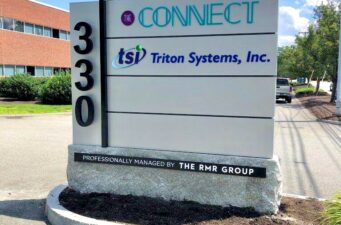
Welcome to 2022. We greet every year with optimism wondering what good things the months will bring. Some of us use January as a personal ‘reset,’ perhaps changing the route we jog or editing our wardrobes to update our own personal brand. What about your business’s brand? Is it time for a refresh there, too? After all, you never get a second chance to make a first impression. Make that first impression count! The Effectiveness of Exterior Signage You could think of on-premise, outdoor signs as the durable workhorse of all advertising types since they’re promoting your business 24/7 for years to showcase your company and brand. Exterior signs generate a strong ROI by helping define your brand while driving
The Power and Cost-Effectiveness of Exterior Signs
Signage offers a visual and branding advertising strategy with tremendous power. Essential for building brand visibility and increasing awareness, well-designed and thoughtfully placed signage can last decades and will attract thousands of customers to a brand over time. Exterior signs stay evergreen, delivering continuous, repeated impressions to help reach business goals by: Attracting prospective customers—76% of consumers enter businesses because of the signs. Creating brand value—68% of consumers believe a business’s signs reflect the quality of its service and products. Driving impulse sales. Establishing a brand—a sign can attract up to 50% of a new business’s initial customers. Giving customers a first, and lasting, impression of a business—75% of consumers told others about businesses they noticed because of the signage.
A Peek Ahead to 2022
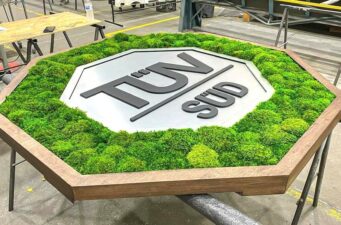
While we don’t have a handy Magic 8 ball able to reliably predict the future, it hasn’t stopped us from making some educated guesses about next year’s signage industry trends. They include: Minimalism in design. We’ll continue to see signs focused on clean, crisp images that evoke elegance. Improved sustainability. As more companies embrace ESG (environmental, social, and governance) policies, they’re incorporating eco-friendly initiatives into their buildings, including signage construction, materials, and power. One of Metro’s recent clients, TÜV SÜD—a Germany-based company offering safety, security, and sustainability solutions—opted to use an innovative wall sign for its U.S. headquarters, for example. Metro’s partner, CityScapes, recommended the preserved moss material featured in the sign. Initially, the clients asked to use real wood
How to Effectively Use Safety Signage

ISHN is written for safety and health professionals who direct safety and health programs in high-hazard industrial and construction workplaces.
Inside Metro Sign
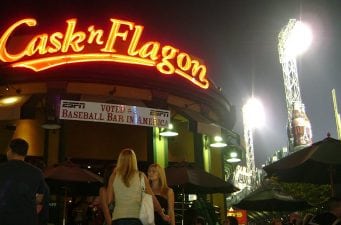
One of the easiest ways to get recognition is to put up a sign. We’ve all seen those iconic signs that garner instant attention: The Citgo Sign in Kenmore Square, Cask ‘n Flagon next to Fenway, McDonalds’ golden arches. Target’s bullseye. A quick glance at these signs tells us immediately what store we’ve found. But these globally recognized icons—like any sign, really—needed serious planning and strategy to work effectively. Most people—even smart businesses who hire a company like Metro—don’t realize all the steps involved with designing, building, and installing signage. Adding signs requires more than simply hanging a sign on an interior wall or erecting a sign on a pole outside. Developing a signage strategy, from conceptualization through installation, often
Live/work/play: the new town center experience
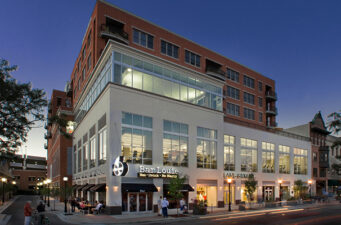
How design helps the new town center create an identity and convince target audiences to stay longer.
Curating a ‘Live-Work-Play’ Experience Through Flexible Design

Presented by: HotelExecutive Author: Felicia Hyde, Hendy The “live-work-play” lifestyle is a growing priority for modern consumers. Renters and travelers alike are in search of accommodation that offers
Protect Diners, Grow Profits with Enclosures
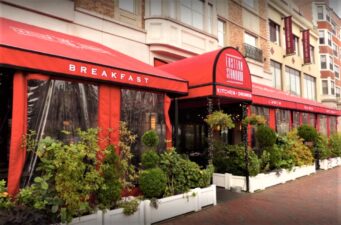
The restaurant industry has always operated on a shoestring budget. When COVID-19 arrived in early 2020, restaurant owners and operators had to stretch budgets even further. The pandemic—and its necessary social distancing—required owners to rethink how to serve their customers, keep staff and patrons safe, and generate profit. The past 17 months haven’t been easy. With severely diminished profits—restaurants have struggled to pay their bills. According to a new survey from the Alignable Research center, nearly 40% of restaurants couldn’t pay June’s rent this year. While a slight improvement over the 49% of restaurants struggling to make rent in May, the picture remains stark for this industry in recovery. In June 2021, Congress sent an amendment to the floor that
Restaurant Signage Enhances Dining and Profits
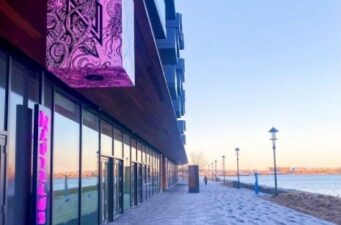
With warmer weather upon us, vaccination rates increasing, and restrictions lifting, people have been venturing out to visit their favorite restaurants in person. The pandemic hit the restaurant industry very hard — and while it’ll take time for the industry to recover from its 2020 losses, owners can take heart based on the results of a recent June survey conducted by Morning Consult: 70% feel safe eating at a restaurant, a 3% increase from the end of May 67% feel safe dining indoors 76% feel safe dining outside 59% indicated they’ll feel comfortable dining out by July Consumer excitement about eating out continues to grow and friends and family who’ve not seen each other in person for months look forward to connecting
At the Heart of New Ways of Working are Trusted Communities

A connected network knows no boundaries as it enables people internally and externally to connect around purpose and common needs and interests.
Categories
Recent Posts
Tags



Copyright 2022 MetroSign and Awning, All rights reserved | Privacy Statement | Terms of Use