ARCHIVE: Category Archive for: Design/Build
Curating a ‘Live-Work-Play’ Experience Through Flexible Design
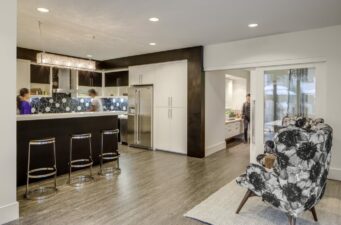
Presented by: HotelExecutive Author: Felicia Hyde, Hendy The “live-work-play” lifestyle is a growing priority for modern consumers. Renters and travelers alike are in search of accommodation that offers
Protect Diners, Grow Profits with Enclosures
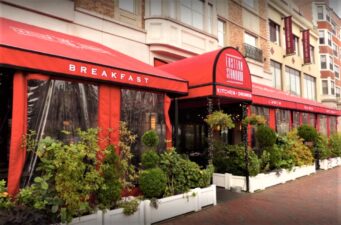
The restaurant industry has always operated on a shoestring budget. When COVID-19 arrived in early 2020, restaurant owners and operators had to stretch budgets even further. The pandemic—and its necessary social distancing—required owners to rethink how to serve their customers, keep staff and patrons safe, and generate profit. The past 17 months haven’t been easy. With severely diminished profits—restaurants have struggled to pay their bills. According to a new survey from the Alignable Research center, nearly 40% of restaurants couldn’t pay June’s rent this year. While a slight improvement over the 49% of restaurants struggling to make rent in May, the picture remains stark for this industry in recovery. In June 2021, Congress sent an amendment to the floor that
Let Me Entertain You: Signage for Event and Entertainment Spaces
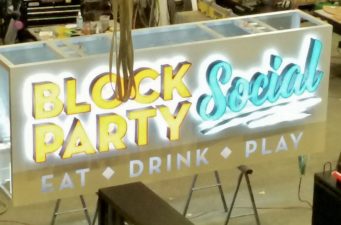
Imagine this scene: A giant arena filled with tens of thousands of screaming fans. Bright lights flood the stage. The bass thrums from giant speakers. The colorful crowd bobs and weaves in time to the music. Or imagine a convention center. Row upon row of booths and tables create a labyrinth of paths weaving through the cavernous space. Giant industry signs hang from the ceiling, on the walls, and suspended from elaborate frames. Professionals move among the displays to network, share expertise, and learn about the latest innovations. What do these two environments share? They both see thousands of visitors at a time — millions of visitors each year. Concert goers and convention or event attendees have specific expectations, including
Restaurant Signage Enhances Dining and Profits
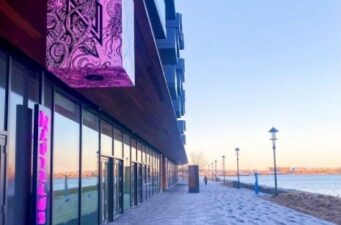
With warmer weather upon us, vaccination rates increasing, and restrictions lifting, people have been venturing out to visit their favorite restaurants in person. The pandemic hit the restaurant industry very hard — and while it’ll take time for the industry to recover from its 2020 losses, owners can take heart based on the results of a recent June survey conducted by Morning Consult: 70% feel safe eating at a restaurant, a 3% increase from the end of May 67% feel safe dining indoors 76% feel safe dining outside 59% indicated they’ll feel comfortable dining out by July Consumer excitement about eating out continues to grow and friends and family who’ve not seen each other in person for months look forward to connecting
Who Doesn’t Love a Good Challenge?
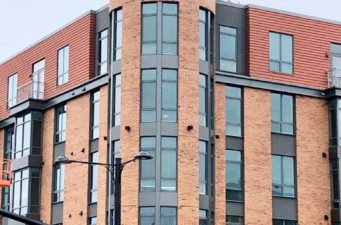
Here at Metro, we’ve developed a reputation for overcoming challenges. In 2020, the pandemic required us to rethink our approach to projects and conduct much of our collaboration in a remote environment. Government buildings closed for weeks, which presented another challenge for obtaining signage permits and staying on deadline with project installations. Clients saw initial project budgets shrink, so our team worked with them to devise alternative signage options—in design, materials, or both. At Metro, we love a good challenge. Challenges make us better because they require us to grow and innovate—and that benefits our clients and our partners, especially when we’re faced with a new “problem” we’ve not encountered before. And let’s face it. It isn’t just us signage
Design-Build Projects: The Top 10 Reasons Why It Works So Well
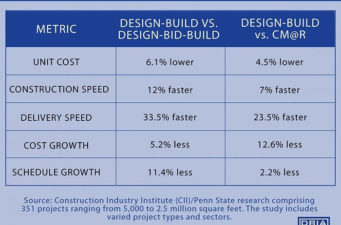
Continue reading to learn why design-build projects might be the best method to approach your next signage project.
Forming a Decision
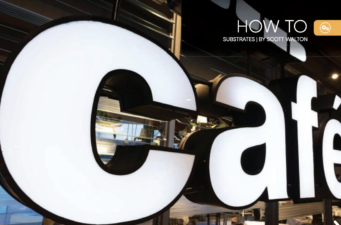
Different types of plastics trends can influence what material makes sense to use for signage construction. Various plastics options — including acrylic, impact-modified acrylic (IMA), and polycarbonate — share properties but have key differences. A sign’s location should also influence material choice, because not all materials react the same to weathering. Signage manufacturers should take into consideration sign style (screen vs. digital printing) and ink types (UV-cured, latex inks, UV-LED print) when recommending what materials their clients should choose. Click here to read the original article from Sign Builder Illustrated.
Apartment Branding: Everything You Need to Know
Find out what it takes for your brand to be recognized and remembered with our comprehensive guide to apartment branding.
Developing wayfinding systems in museums
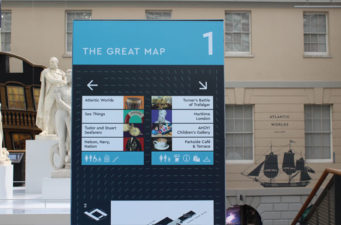
Good museum wayfinding is essential for thepublic to get the most out of a visit to your museum. in this article we look at best practice for museum wayfinding, from signage to
The Importance of Signage in Branding Multi-Family Buildings
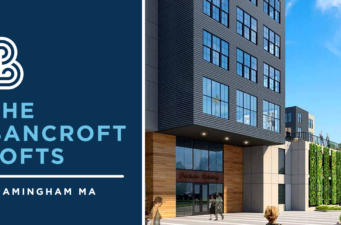
Believe it or not, when it comes to choosing where to live, attractive branding can make the difference between signing a tenant and having vacancies. Think about other brands with logos that trigger instant recognition: Coca~Cola’s white lettering on a red can; the Nike swoosh; Adidas’ black and white trefoil. Looking to fill a brand new apartment building? Start by establishing brand recognition within the community. Want to keep residents from leaving? Associate that brand with trust, reliability, and value. Still not sure if an apartment community really needs its own brand identity? Check out these statistics: 66% of consumers indicate that shared values influence the brands they choose 75+% of consumers make purchases based on brand/company name 90% of
Categories
Recent Posts
- Commercial Signage Projects Across Greater Boston
- Fall School Signage Planning Starts Now
- How to Design an Eye-Catching Pylon or Monument Sign
- Regulations and Permits for Pylon Signs: What Boston Area Businesses Need to Know
- Why Metal Canopies Are a Smart Investment for Commercial Properties in Boston
Tags



Copyright 2022 MetroSign and Awning, All rights reserved | Privacy Statement | Terms of Use