ARCHIVE: Category Archive for: Signage Tips
West of Chestnut Project a Marvel, Inside and Out
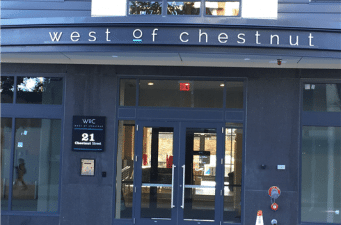
All of us here at Metro Sign & Awning send a hearty “Congratulations!” to the team at Dellbrook and everyone involved in the West of Chestnut development in Quincy. We were excited and honored to be involved very early (probably before the earliest point in this time-lapse video!) interior signage evacuation map Metro design Boston While the video shows the dramatic transformation, you don’t see all the behind-the-scenes planning and design decisions that go into creating interior signage that complements a beautiful interior while serving an important (possibly life-saving) purpose for residents and visitors. More on that later. For now, here’s a glimpse at some of the preliminary sketches, hinting at how professional sign designers work to ensure interior signage meets codes, is ADA compliant, and is created and installed to be
Exterior Signage: Styles and Types of Freestanding Signs
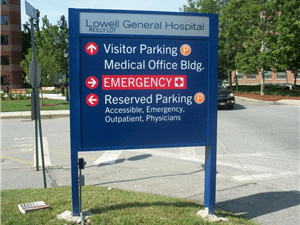
With this post and others in our Signs 101 series, we do our best to cut through “sign speak.” Questions? Don’t hesitate to contact us. freestanding monument sign Boston bank __________________________ The three basic types of Freestanding Signs are monument, pylon, and post and panel signs. Below you’ll find definitions, descriptions and examples. Freestanding signs, not surprisingly, stand on their own (as opposed to wall-mounted signs, for example). Thanks to posts or a self-supporting base, freestanding signs are architectural structures separate from buildings and other structures. While they are often designed to be about on eye-level with drivers and/or pedestrians, others are considerably taller, intended to serve as architectural centerpieces for a business or corporate park. Illuminated pylon sign Keene New England Monument Signs are
Back to School with Vinyl Graphics and Interior Wayfinding Signage

Interior directional signage (also called interior wayfinding signage) is incredibly helpful to building users on a day-in and day-out basis. Of course, those interior signs also must meet ADA standards. But when a facility’s use has changed or a new group of building visitors is expected, a little extra emphasis can help everyone. Bright and bold vinyl graphics to the rescue! Going Back to School with Vinyl Interior Graphics Summer’s just begun and it’s already time for institutions to prepare for classes (and students!) next semester. Metro Sign & Awning is helping day care facilities, community centers and other organizations prepare for Back to School season with new vinyl graphics that add color, enhance branding, and assist building users with wayfinding.
Good Sign Design & Approval Process a Win for All

A story about a business owner from Atascadero, CA who was willing to go to court over a sign caught our eye earlier this year. Temporary and unconventional signage can be a sticky area for businesses and government, one that’s costly for both. Whether it’s retail or wayfinding signage, the ultimate test for any sign from a user standpoint is, “is it helpful?” Municipal authorities try to strike a balance between the needs of business owners, area residents or visitors, and the general public safety. It’s not an easy thing to do. Sign Design, Permitting and Approval Process Whether designing a new sign or updating an existing sign, reviews and approvals are almost always necessary. And who enjoys being told
Convert Your Existing Signs to LED Technology – Part 1
Time marches on, and with it, technology. There was a time when neon and fluorescent lighting for signage was “high tech” and just about the best we could do. But those times are now gone. Today, we’ve discovered LED illumination, and it’s advantages are literally stupendous. They include: Major savings on operating costs and maintenance. Less pollution, land-fill, and greenhouse gas emissions – so they’re better for the environment. A more modern appearance for any signage – even outdated ones. Better visibility at night, in fog or rain – just about any weather conditions. Far less prone to breakdowns, damage, wear and tear, or unforeseen failures, so they’re more reliable. Last far longer, so your signage investment stretches over many
Hidden Messages In Signage
Most communication is simple, with a single layer of meaning. But once you get into the world of graphics – where the best signage lives and thrives – you begin to find opportunities to communicate more than one message at a time. Here are a few examples of public, possibly familiar graphics that exemplify the potential for signage to be a powerful tool of communication. Wendy’s has a new logo, but it contains a hidden message that’s very old. Can you spot it? … It’s the word “mom” woven into the red-headed girl’s collar. I guess the idea is to evoke home-cooked foods, family dinners, and perhaps even a dose of unconditional love. None of that is guaranteed when you’re
New Signage Part of Bigger Picture
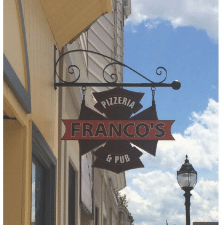
“Regardless of how and why new signage regulations are implemented, change is hard,” said Metro Sign & Awning Owner Tom Dunn. Businesses in Redmond, OR have voiced their frustration at being required to remove signs that were ruled non-compliant in 2008 when their Downtown Overlay District was created. In many ways, it’s similar to the Downtown Waltham Partnership, although the Storefront Improvement Program (SIP) here in MA was pretty business-friendly. Change: Some Pain, Lots of Gain When a major shopping district overhaul is underway, everyone focuses on the new look. Quickly, the focus turns to required changes in behavior – thanks to altered traffic patterns, new businesses, hours, and rules. In the case of the Downtown Waltham Partnership, businesses got significant help
The Economic Value of On-Premise Signage
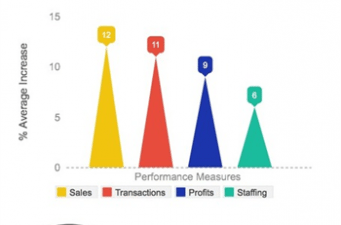
Signs are a fundamental mechanism for announcing your business to the world, attracting new customers, and setting expectations about your brand, your products, and your service. Over the years, businesses just like yours have tried and tested a variety of signage strategies and tactics, and have generally settled on those that work best. This Infographic details some of the most effective ways that business owners use and improve their signage to help their businesses grow. (Click Infographic to see full image) Although signs are shown to be effective at generating new business, the majority of companies have only one or two signs. Larger companies, however, are likely to have three or more signs. Perhaps this is one of they
How Cities Develop Signage Plans

Business signage plays an important role in the life of any city, not only because it supports commerce and the livelihood of individual businesses, but also because the overall appearance of a city’s signage helps communicate and even define its character. Think about the differences in signage between Boston and Las Vegas, for example, and what that signage says about each of those cities. Generally, governments do not heavily regulate the content of any signs (although the Americans with Disabilities Act does set forth some standards for signage content). Rather, each city government tends to develop its own set of signage regulations, in an effort to control the appearance of the city’s built infrastructure and also to tame the impulses
Important Aspects of On-Premise Signage
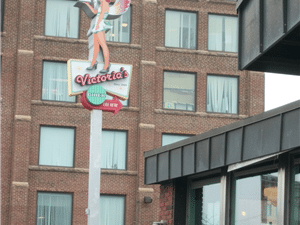
The United States Sign Council Foundation, as a part of its on-going effort to provide verifiable information about the optimal usage of signage, has issued a new report titled: “The Economics of On-Premise Signs.” The report makes fascinating reading. It covers everything from the various rationales for local signage regulation to the impact of signage on communities, customers, and businesses. But even more interesting are the discussions of potential signage benefits (which we’ve previously touched on, here). Understandability For example, the report details how a sign that is easier to understand “imposes fewer cognitive demands on the viewer.” Ultimately, more understandable signs allow customers and prospects to learn more about what a business offers. What enhances this kind of signage
Categories
Recent Posts
Tags


Copyright 2022 MetroSign and Awning, All rights reserved | Privacy Statement | Terms of Use