ARCHIVE: Category Archive for: Signage Tips
Getting Your Pylon Sign Ready Before the Holiday Season
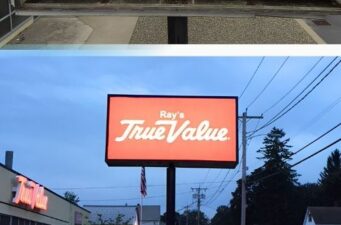
In June, a pylon sign in Greater Boston might not switch on until after 8:00 at night. By Thanksgiving week, it is lit before 4:30 in the afternoon, while stores are still busy and holiday traffic is building. That is when the problems show up: a dark section where a lamp burned out months ago, a face yellowed by years of sun, lighting so uneven that half the cabinet looks dim. Owners and property managers often catch it on their way out of work, the first week the sign comes on before closing. So does everyone driving past. Fall is also when many businesses and property teams decide how to use what is left of the year’s budget. A pylon
Custom ADA Signs in Boston: Compliance Without Compromising Your Brand

Somewhere between the drawings and the punch list, Americans with Disabilities Act (ADA) signage usually gets simplified. That compromise has never really been about the code. It has been about what the available production methods could do while meeting it. At Metro Sign & Awning (MSA), we design, fabricate, and install ADA and interior identification signage for schools, healthcare facilities, corporate campuses, and multi-tenant properties across Greater Boston and eastern Massachusetts. We have added 3D printing to our Tewksbury shop, dedicated to ADA and interior work, and it widens what a compliant sign can look like. Here is what that changes, and what to evaluate before your next package goes out for pricing. What ADA Signage Has to Do Signs
Fall School Signage Planning Starts Now
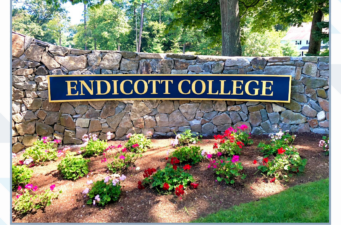
The school year feels far away in June. But for K-12 schools, colleges, and universities that need new or updated signage before students return in August or September, June is not early. For many facilities, it is already the last reasonable window to get projects moving. Signage projects involve more steps than most administrators expect. Design approvals, permitting, material lead times, fabrication, and installation scheduling all need to happen in sequence. Compress that timeline too much and something gets rushed. Rush the wrong step and you are rescheduling an installation into the middle of move-in weekend. At Metro Sign & Awning (MSA), we work with schools and universities across the Boston metro area to plan and execute signage projects that
Do You Need Custom ADA Signs for a Renovation or New Build in 2026? Here’s What to Know

The best time to consider ADA signage requirements is during construction. The second-best time? Today. While not every team integrates ADA into their plans from the start, the earlier you do, the more you reduce rework, keep inspections smooth, and avoid the costly ripple effects of last‑minute changes. According to PlanRadar’s 2025 report on construction rework, fixing mistakes consumes 5–10% of total project costs, and sometimes far more. Design-related errors, such as omissions or late changes, are among the most persistent drivers of rework. The Project Management Institute also reports that incomplete early planning increases cost overruns by 5% to even 11% in some cases. ADA signage may seem like a small line item, but when delayed, it becomes one
Common Mistakes in Interior Signage — And How to Avoid Them Going Into the New Year

Are your signs slowing down your project without you realizing it? Teams missing deadlines, overlooking ADA compliance, choosing materials that fail fast, scattering inconsistent branding, or overloading spaces with messy wayfinding are the five most common interior signage mistakes, and they cost teams far more time and money than they expect. Interior signage mistakes drain bandwidth, inflate budgets, trigger ADA penalties, confuse customers, and quietly erode brand trust. The good news? Every one of these issues is preventable. Addressing before the new year begins keeps your project on schedule, eliminates reprints, and ensures your signage looks sharp, cohesive, and compliant from day one. Here are the most common mistakes we see in the sign industry, along with the exact steps
A Peek Ahead to 2022
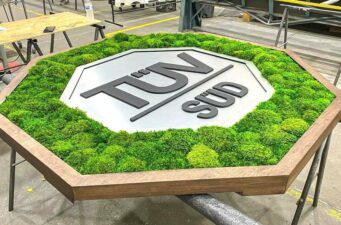
While we don’t have a handy Magic 8 ball able to reliably predict the future, it hasn’t stopped us from making some educated guesses about next year’s signage industry trends. They include: Minimalism in design. We’ll continue to see signs focused on clean, crisp images that evoke elegance. Improved sustainability. As more companies embrace ESG (environmental, social, and governance) policies, they’re incorporating eco-friendly initiatives into their buildings, including signage construction, materials, and power. One of Metro’s recent clients, TÜV SÜD—a Germany-based company offering safety, security, and sustainability solutions—opted to use an innovative wall sign for its U.S. headquarters, for example. Metro’s partner, CityScapes, recommended the preserved moss material featured in the sign. Initially, the clients asked to use real wood
20 Event Signage Ideas to Improve the Attendee Experience

Event signage doesn’t have to be utilitarian to be helpful. Here’s five creative ideas to use signs to enhance the attendee experience.
Apartment Branding: Everything You Need to Know
Find out what it takes for your brand to be recognized and remembered with our comprehensive guide to apartment branding.
StackPath
All businesses involved in service and repair should offer maintenance agreements. Well-designed agreements benefit everyone — customers and the company itself. Customers receive the preventive maintenance they need. The service agreement maintains warranties’ validity. Companies with solid service and maintenance agreements benefit from strengthened customer relationships. Read the full article at: www.contractingbusiness.com
Life Cycle of a Sign

You need new signage for your business and made room in your budget for the project. Great! But… now what? It’s easy enough to type up and tape a sign on a door, or order a stopgap banner to hang, but that’s hardly professional or durable. The Design Phase So what now? Well, you’ve probably got an idea of the design — incorporating your company’s colors and logo, for example. But then what? Easy! You talk to our experienced sales professionals. They’ll prepare budgetary pricing guidelines and then collaborate with you to create a sign that: Maximizes its advertising ROI and aesthetic potential Focuses attention on your business Supports your company’s goals and brand Choosing the Best Material Once you’ve
Categories
Recent Posts
Tags


Copyright 2022 MetroSign and Awning, All rights reserved | Privacy Statement | Terms of Use