ARCHIVE: Author Archive:
Getting Your Pylon Sign Ready Before the Holiday Season
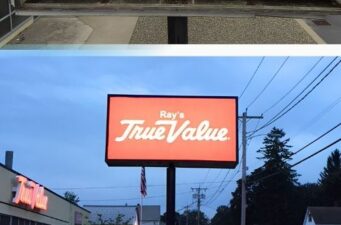
In June, a pylon sign in Greater Boston might not switch on until after 8:00 at night. By Thanksgiving week, it is lit before 4:30 in the afternoon, while stores are still busy and holiday traffic is building. That is when the problems show up: a dark section where a lamp burned out months ago, a face yellowed by years of sun, lighting so uneven that half the cabinet looks dim. Owners and property managers often catch it on their way out of work, the first week the sign comes on before closing. So does everyone driving past. Fall is also when many businesses and property teams decide how to use what is left of the year’s budget. A pylon
Custom ADA Signs in Boston: Compliance Without Compromising Your Brand

Somewhere between the drawings and the punch list, Americans with Disabilities Act (ADA) signage usually gets simplified. That compromise has never really been about the code. It has been about what the available production methods could do while meeting it. At Metro Sign & Awning (MSA), we design, fabricate, and install ADA and interior identification signage for schools, healthcare facilities, corporate campuses, and multi-tenant properties across Greater Boston and eastern Massachusetts. We have added 3D printing to our Tewksbury shop, dedicated to ADA and interior work, and it widens what a compliant sign can look like. Here is what that changes, and what to evaluate before your next package goes out for pricing. What ADA Signage Has to Do Signs
Commercial Signage Projects Across Greater Boston
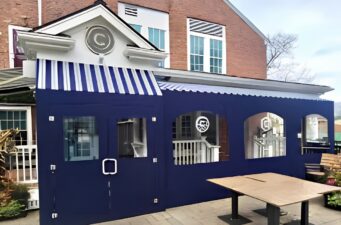
A sign company is easy to find. A sign company that manages the full process, from site evaluation and design through permitting, fabrication, and installation, is a different conversation. Metro Sign & Awning has been that partner for commercial property owners, developers, facility directors, and institutional clients across Greater Boston and eastern Massachusetts for years. The work spans retail plazas and corporate campuses, healthcare facilities and educational institutions, multi-tenant developments and standalone storefronts. This post is a look at the types of projects we execute in this market, what they involve, and why clients in the Boston area trust Metro Sign & Awning to get them done right. Exterior Signage That Performs in a Demanding Market The Greater Boston commercial
Fall School Signage Planning Starts Now
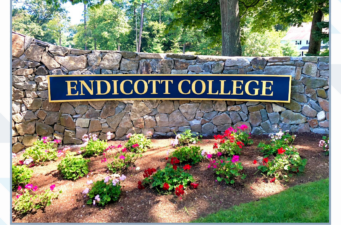
The school year feels far away in June. But for K-12 schools, colleges, and universities that need new or updated signage before students return in August or September, June is not early. For many facilities, it is already the last reasonable window to get projects moving. Signage projects involve more steps than most administrators expect. Design approvals, permitting, material lead times, fabrication, and installation scheduling all need to happen in sequence. Compress that timeline too much and something gets rushed. Rush the wrong step and you are rescheduling an installation into the middle of move-in weekend. At Metro Sign & Awning (MSA), we work with schools and universities across the Boston metro area to plan and execute signage projects that
How to Design an Eye-Catching Pylon or Monument Sign
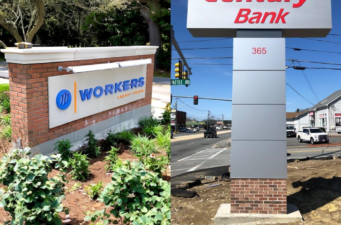
Your sign’s first job: get noticed. But in today’s crowded commercial environment, visibility alone isn’t enough. A successful pylon or monument sign also needs to reflect your brand, complement your property, and leave a lasting impression on the people passing by every day. Whether you’re managing a retail plaza, healthcare facility, corporate campus, or multi-tenant property, your exterior signage often becomes the first interaction customers have with your business. A poorly designed sign can blend into the background. A well-designed one can drive traffic, improve navigation, and elevate the perceived value of your property. At Metro Sign & Awning (MSA), we help businesses across the Boston area create pylon and monument signs that balance visibility, durability, compliance, and design —
Regulations and Permits for Pylon Signs: What Boston Area Businesses Need to Know

A pylon sign can be one of the most powerful visibility tools for your business — but it’s also one of the most regulated. Unlike standard wall signs or storefront signage, pylon signs are tall, freestanding structures designed to be seen from a distance. That visibility comes with added scrutiny. Local zoning boards, building departments, and permitting offices closely regulate everything from height and placement to lighting and structural integrity. For business owners and developers in the Boston area, navigating these requirements can quickly become overwhelming. Miss a step, and you risk delays, redesigns, or even removal orders. At Metro Sign & Awning (MSA), we help clients simplify the process — managing regulations, permits, and approvals from start to finish
Why Metal Canopies Are a Smart Investment for Commercial Properties in Boston

In New England, weather isn’t just a seasonal inconvenience — it’s a structural consideration. From heavy snow loads in winter to wind-driven rain and summer heat, commercial properties in Boston face year-round exposure. And while many businesses focus on signage, lighting, or façade updates, one architectural element is often overlooked: the metal canopy. A well-designed commercial metal canopy does more than protect an entrance. It elevates curb appeal, reinforces brand presence, improves customer experience, and ensures compliance with local building codes. When engineered and installed correctly, it becomes a long-term asset to your property. At Metro Sign & Awning (MSA), we design and install custom metal canopies that blend structural integrity with architectural impact — handling everything from
Design Trends for Monument Signs: What Actually Works (and What Fails) Before Installation

Most monument sign conversations focus on style and materials, but the biggest risks (and costs) usually sit below grade. Foundations, footers, and installation methods determine how long a sign lasts, how much it costs to install, and whether it needs to be redone later. Today’s monument sign design trends are increasingly shaped by what works in the ground, not just what looks good above it. Choices around direct-bury construction, concrete footings, and structural depth can add or save days of installation time and thousands in rework if they’re wrong. This guide looks at modern monument sign trends with buildability in mind. From materials and lighting to foundations, placement, and approvals, you’ll discover the best monument sign design trends in
Maximizing Impact with Custom Interior Signs in Boston: What Real Estate Teams Need to Know Before Design, Permitting, and Installation

If you’re planning a new project—whether it’s a commercial or mixed-use project in Boston, this is your sign to not treat interior signage as the last thing you do. Interior signage often shapes how smoothly people move through a space, how confident visitors and tenants feel once they’re inside, how easily you meet ADA requirements, and how your property performs day to day. Making the right calls early helps you avoid delays, rework, and missed leasing opportunities. That’s why making good decisions early helps you avoid delays, rework, and missed leasing opportunities. In this guide, you’ll learn how to: Use custom interior signs as a visual lighthouse that guides the right people into your building. Understand how, when, and where
Do You Need Custom ADA Signs for a Renovation or New Build in 2026? Here’s What to Know

The best time to consider ADA signage requirements is during construction. The second-best time? Today. While not every team integrates ADA into their plans from the start, the earlier you do, the more you reduce rework, keep inspections smooth, and avoid the costly ripple effects of last‑minute changes. According to PlanRadar’s 2025 report on construction rework, fixing mistakes consumes 5–10% of total project costs, and sometimes far more. Design-related errors, such as omissions or late changes, are among the most persistent drivers of rework. The Project Management Institute also reports that incomplete early planning increases cost overruns by 5% to even 11% in some cases. ADA signage may seem like a small line item, but when delayed, it becomes one
Categories
Recent Posts
Tags


Copyright 2022 MetroSign and Awning, All rights reserved | Privacy Statement | Terms of Use