ARCHIVE: Category Archive for: ADA
Do You Need Custom ADA Signs for a Renovation or New Build in 2026? Here’s What to Know

The best time to consider ADA signage requirements is during construction. The second-best time? Today. While not every team integrates ADA into their plans from the start, the earlier you do, the more you reduce rework, keep inspections smooth, and avoid the costly ripple effects of last‑minute changes. According to PlanRadar’s 2025 report on construction rework, fixing mistakes consumes 5–10% of total project costs, and sometimes far more. Design-related errors, such as omissions or late changes, are among the most persistent drivers of rework. The Project Management Institute also reports that incomplete early planning increases cost overruns by 5% to even 11% in some cases. ADA signage may seem like a small line item, but when delayed, it becomes one
How to Ensure Your Signage Meets Local Code Requirements (Without Delays or Costly Mistakes)

Do you know when most project overruns begin? Here’s a hint: they start months earlier than you think—and all because of a simple code. Every city and town enforces its own signage regulations. What sails through approval in Boston can be rejected outright in Worcester. And last year’s “sure thing” can fail today when codes change without warning. That’s how a single compliance mistake can derail everything. We built this guide to eliminate the guesswork. Inside, you’ll see exactly what building inspectors, zoning boards, and permitting offices scrutinize and learn how to secure first‑pass approval with confidence, speed, and zero surprises. What “Local Sign Code Compliance” Actually Means Local sign rules exist to protect public safety, preserve communities, and ensure
It’s Time to Rethink Signage and Wayfinding for Transportation Hubs
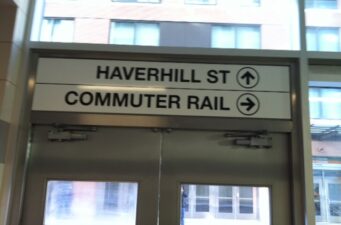
Travel often triggers people’s anxieties, especially when they’re navigating an unfamiliar environment. Signage and wayfinding can help alleviate that anxiety. Not surprisingly, there’s a close connection between transportation hub architecture and environmental graphic design for signs. Poorly designed signs distract and cause confusion. Ideally, the best signage/wayfinding strategies remain unobtrusive— and if you arrive at your destination without remembering the signs that helped you navigate, they did their job effectively and unobtrusively. This article suggests various approaches to the type and use of signage for wayfinding in transportation hubs. Learn more.
How to Effectively Use Safety Signage

ISHN is written for safety and health professionals who direct safety and health programs in high-hazard industrial and construction workplaces.
Signage: Enhancing Environments in a Post-COVID World
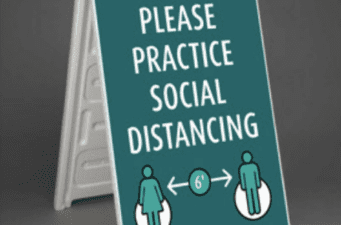
With vaccines readily available and the post-COVID landscape evolving, businesses will continue examining and creating policies to ensure the safety of their employees returning to in-person work — and the safety of customers and visitors, too. In many cases, companies have also recognized the value of offering their employees a hybrid approach: working part-time virtually and part-time in person. This strategy makes sense for companies who’ve incorporated virtual meetings as a complement to in-person meetings with clients and visitors. More than a year of remote work is challenging the way we view traditional work models. A Microsoft 2021 report found 73% respondents desiring flexible, hybrid work options after the pandemic ended, and 66% of businesses indicating a plan to redesign physical
Developing wayfinding systems in museums
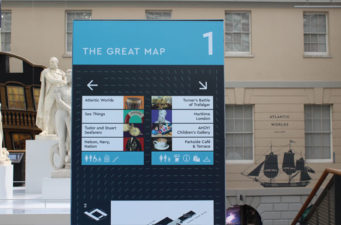
Good museum wayfinding is essential for thepublic to get the most out of a visit to your museum. in this article we look at best practice for museum wayfinding, from signage to
How to Create ADA Compliant Signs
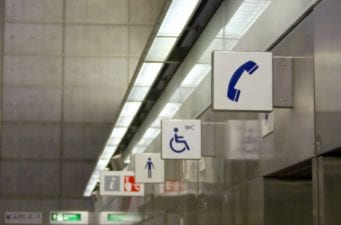
Creating ADA compliant signs involves understanding the ADA’s rules plus following best practices for signage based on the needs of people with disabilities.
Optimizing Higher Education Signage with Metro Sign & Awning
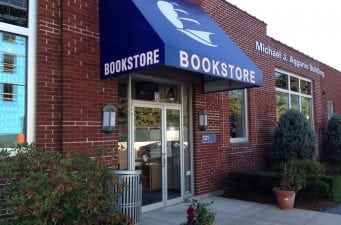
No one likes to get lost! And one of the best ways an institution can help people find their way or get important information quickly and clearly is to employ signage. In fact, signage offers a good tool for higher education settings. Freestanding signs with electronic message center displays (EMC) distribute daily and emergency information efficiently, and wayfinding signs help people navigate campus more easily. Interior signs can reinforce learning by supporting multimedia for lectures or enhance the interdepartmental recognition of student accomplishments by enabling departments to promote their students’ successes. And consistent signage supports both an institution’s branding and elevates its school spirit. Metro Sign has worked with a variety of colleges and universities right here in the heart
Keeping Pedestrians Safe at Fitchburg State – Higher Education Series Post 1
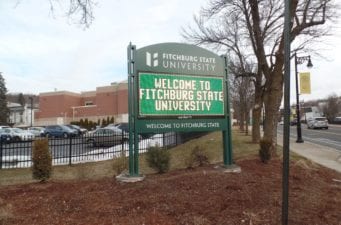
One of the colleges with whom Metro Sign has worked is Fitchburg State — a client for over three years. Some of the college’s first projects included adding need-based interior photopolymer Americans with Disabilities Act (ADA) signs. This initial opportunity led to additional signage projects including wayfinding, monument signs, directories, building identification, and award displays. One important job included the addition of flashing pedestrian signs at crosswalks. College administrators worried that vehicles failed to slow down when students and faculty entered the crosswalks, which could cause a hazardous situation. To keep both vehicle and foot traffic safe, Metro Sign installed environmentally-friendly new pedestrian signs with flashers activated by the press of a button. These solar-powered lights flash visibly to vehicles
Controlling Costs on a Complex UMass Boston Signage Project – Higher Education Series Post 2
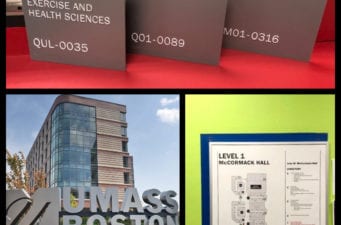
While Fitchburg State needed updated signs that complied with the Americans with Disabilities Act (ADA) regulations and a visually appealing way to celebrate its 125th anniversary, the University of Massachusetts Boston needed interior signage and more as part of its Renovations to Existing Academic Buildings (REAB) project. This monumental project included construction in McCormack and Wheatley Halls, Healey Library, and Quinn. Much of the renovation involved adapting vacant spaces to accommodate programs from the Science Center. Metro Sign’s contribution to the project included providing wayfinding, directories, and ADA compliant signs. UMass Boston initially provided specifications for a higher-end fabrication. When it was determined that the initial sign design would exceed the funds allotted Metro stepped in to help. Understanding the
Categories
Recent Posts
- Commercial Signage Projects Across Greater Boston
- Fall School Signage Planning Starts Now
- How to Design an Eye-Catching Pylon or Monument Sign
- Regulations and Permits for Pylon Signs: What Boston Area Businesses Need to Know
- Why Metal Canopies Are a Smart Investment for Commercial Properties in Boston
Tags



Copyright 2022 MetroSign and Awning, All rights reserved | Privacy Statement | Terms of Use